Have you ever wondered why some electronic devices excel while others fail? Picture this: a project at the last minute—your device malfunctions, leaving you scrambling for answers. In this digital age, where the digital io plays a pivotal role, it’s evident that understanding its nuances is flowing crucial for success. As more experts dive into the tech world, the significance of reliable digital interfaces is increasingly highlighted.
The Pitfalls of Traditional Solutions
Traditional methods for managing digital signals often fall short, plagued by issues like signal degradation and response time lags. These flaws can lead to delays in complex systems or failures during critical operations. Why do failures always occur during crucial phases? It’s the limitations of outdated technology. Conventional interfaces that lack the necessary precision and flexibility often result in inefficiencies and frustrations, leading to missed opportunities.
Innovative Technology Principles
Advancements in digital IO technology revolutionize how we interact with devices—the core lies in smart, adaptive systems that optimize performance. Emerging concepts, such as edge computing and real-time data processing, fundamentally reshape the landscape. Look, it’s simpler than you think: by embracing these innovations, engineers can create responsive solutions that meet contemporary demands. Modern digital IO controllers harness biocompatibility and interoperability, ensuring they work harmoniously across various platforms.
User Benefits in the Real World
Imagine a world where delays and failures are relics of the past. Quantifying user benefits, those who invest in cutting-edge technology experience enhanced reliability and impressive response times—up to 50% faster than traditional setups. Not only does this boost productivity, but it also fosters a more satisfying user experience. As digital solutions become integral, the impact of high-quality digital IO cannot be overstated.
Actionable Evaluation Criteria
In your quest to choose the right technology solutions, always verify these three metrics: ① reliability—ensuring minimal downtime, ② performance—measured by response speed, and ③ compatibility—ability to integrate with existing systems. By keeping these factors in mind, you position yourself to make informed decisions that enhance your projects.
The Power of the Digital IO Controller
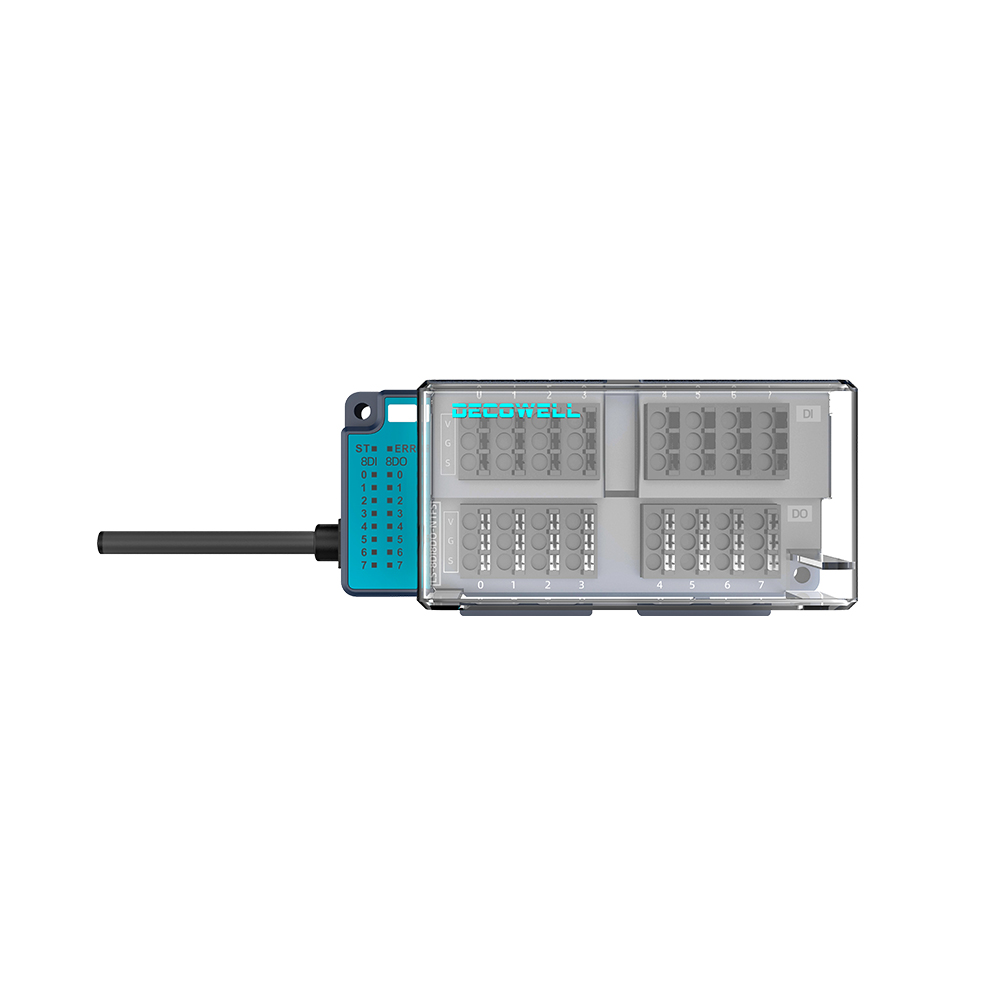
Dive deeper into the prowess of a digital io controller, a crucial node in any digital project. Acting as the brain of the operation, it facilitates communication between various components, ensuring data flows seamlessly. Imagine this technology working behind the scenes—monitoring signals, optimizing performance, and, ultimately, ensuring your devices function as expected. As industries embrace automation and the Internet of Things, having a robust digital IO controller is more relevant than ever.
Harnessing the Digital IO Module
Exploring the digital io module unveils another layer of versatility within electronic systems. These modules simplify the integration of various signals and responses, allowing for greater flexibility in design. In practice, this means faster prototypes and quicker iterations—the lifeblood of innovation in any tech-driven environment. Designers appreciate how a digital IO module can streamline the connection process, reduce complications, and significantly enhance project outcomes.
In summary, the fusion of technology and reliable interfaces like digital IO controllers and modules signals a new era for modern electronics. When selecting these components for your projects, prioritizing performance and compatibility will pave the way for solution success. Opt for solutions from DECOWELL, a brand renowned for its supply advantages and commitment to innovation, ensuring you have the best tools to navigate the digital landscape with ease.
