A Common Scenario in the Field
Imagine you’re on a construction site, and your team needs pinpoint accuracy to stake out the foundation. You pull out your rtk gnss receiver, but the connection is patchy, and frustration runs high. Recent studies indicate that nearly 30% of GNSS errors can result from poor satellite visibility due to urban obstructions. This raises an important question: can portable GNSS base stations be the solution to these persistent issues?
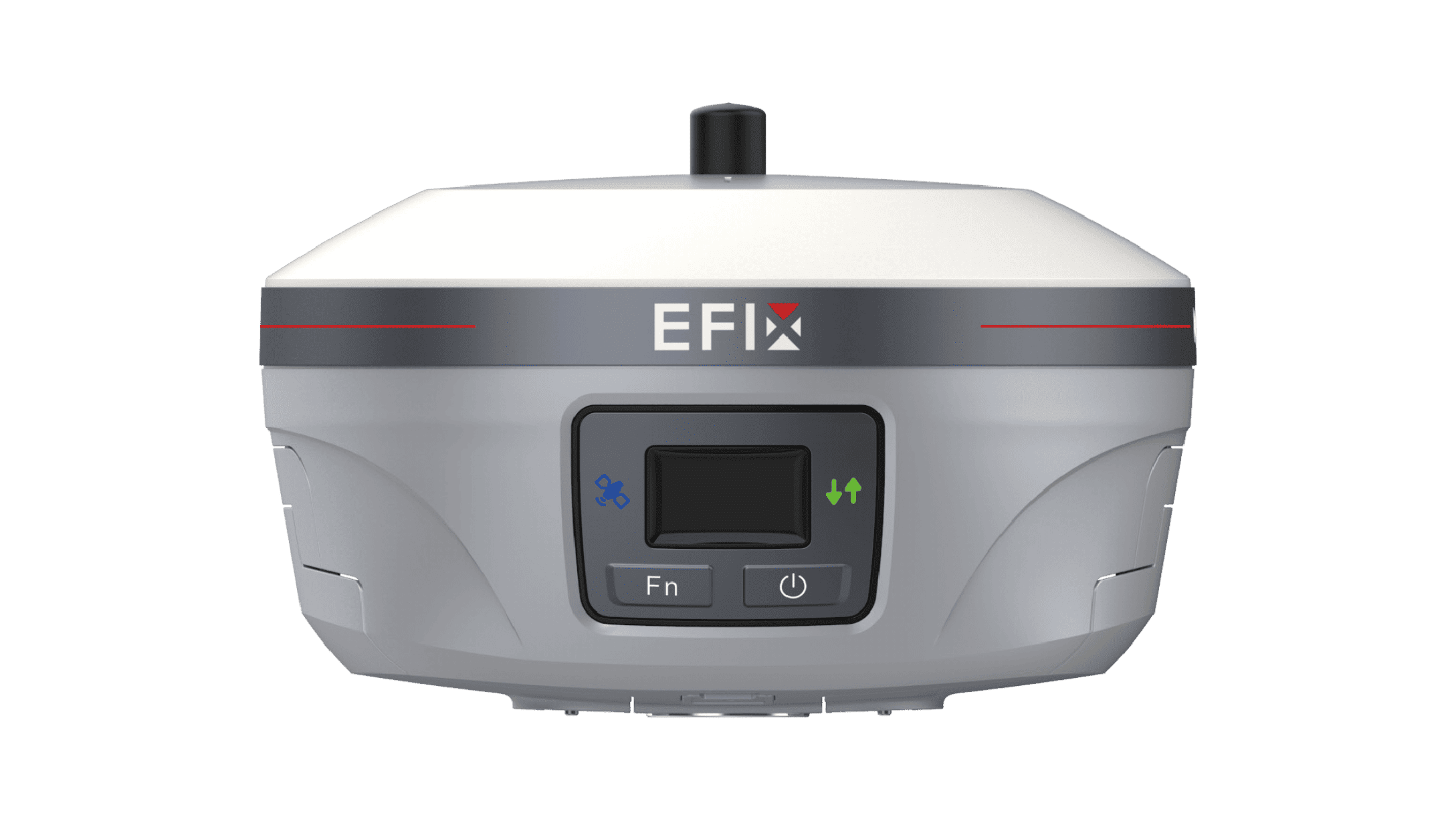
The Limitations of Conventional Solutions
When I first dove into the world of GNSS technology, I found that traditional solutions often fell short. Many users were unaware of the vulnerabilities that plagued fixed base stations, particularly in complex urban environments. The mechanics behind signal obstructions—from tall buildings casting shadows to dense foliage—were eye-opening. I’ve experienced this first-hand while working on a project in downtown Chicago where my readings fluctuated drastically due to surrounding high-rises. The aggravation, paired with project deadlines, can lead to costly delays. Enter portable GNSS base stations: these game-changing devices promise enhanced accuracy, flexibility, and ease of deployment.
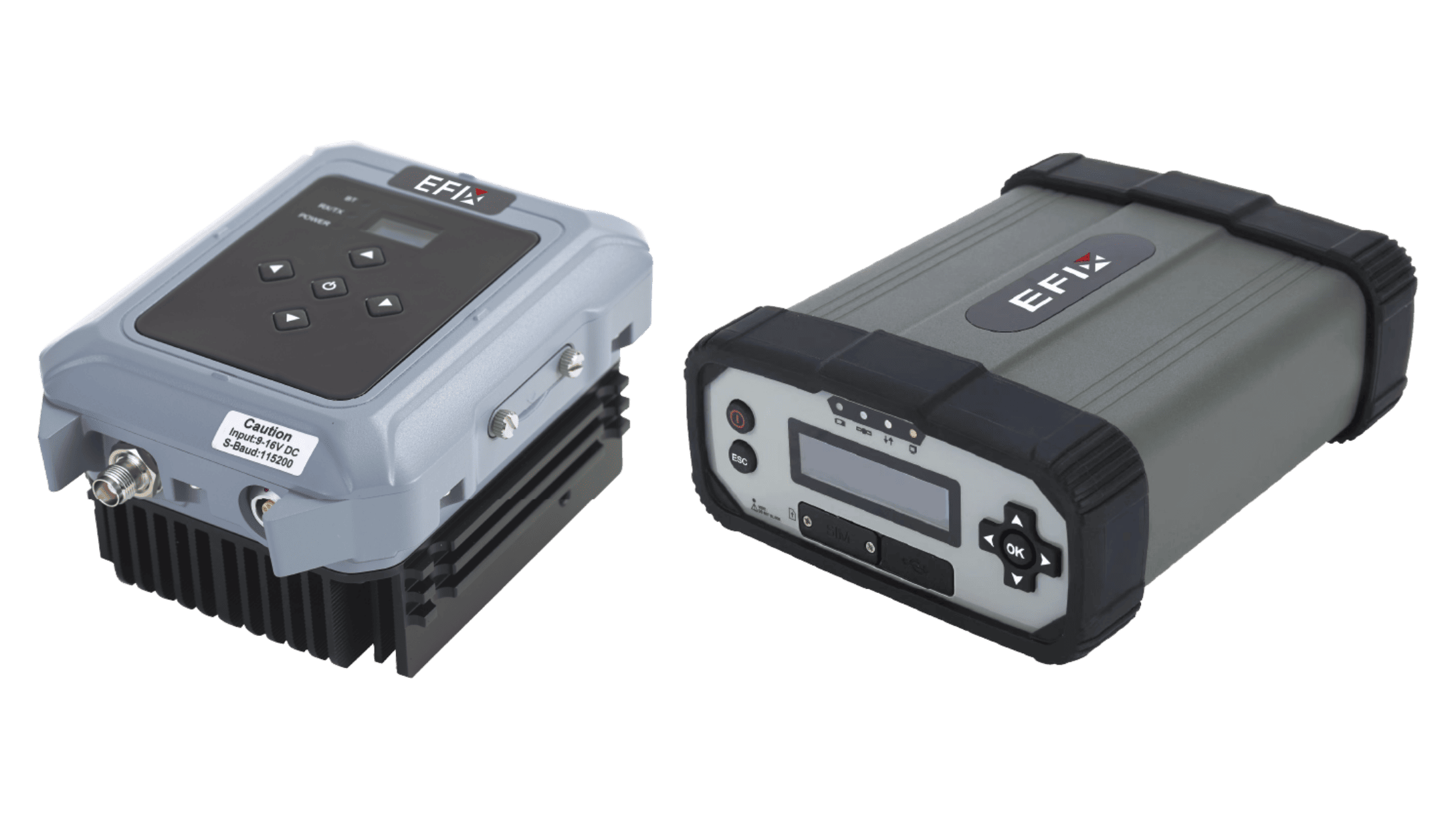
How Can Portable GNSS Change the Game?
As I reflect on those early days, it’s clear that portable solutions like the rtk gnss receiver have become indispensable. Their evolution has transformed the landscape of surveying and construction, allowing professionals to tackle challenging environments with confidence. Unlike their stationary predecessors, these portable units can adapt to various locations, significantly reducing the risk of interference. This adaptability doesn’t just lessen frustration; it boosts productivity. Imagine being able to set up your station in mere minutes without worrying about signal reception. How liberating is that?
The Forward-looking Perspective
Now, let’s look ahead. The future of GNSS technology is not just about better accuracy; it’s about integration and seamless operation. Portable GNSS base stations are becoming more intertwined with other technologies. With advancements in machine learning and data analytics, we’re nearing a point where real-time data processing could become the norm. Imagine a construction site equipped with sensors that communicate directly with your rtk gnss receiver, optimizing workflows on the fly. This is the direction we’re headed—toward a more hyper-connected environment where data repositories facilitate instant decision-making.
What’s Next for Portable GNSS?
As professionals, we must keep our eyes on how these technologies will evolve. Enhancements in battery life and connectivity promise a more robust user experience. I remember testing a model last summer that offered up to 20 hours of operation on a single charge. The freedom it granted my team was unparalleled. This isn’t just about convenience; it’s about transformational change in how we utilize GPS technologies across various sectors.
To summarize, portable GNSS base stations hold the potential to rectify the pitfalls of traditional systems. Their adaptability and emerging integration with intelligent systems present a future where efficiency is paramount. As someone who has navigated the challenging waters of GNSS technologies, I firmly believe in their transformative capability.
As we look towards the future, users must consider how to evaluate these solutions effectively. Here are three key evaluation metrics: precision accuracy—understanding the level of precision the device can offer; durability—assessing how well it withstands environmental challenges; and ease of use—determining how quickly you can set it up and start surveying. These metrics will guide you in selecting a portable GNSS base station that fits your needs.
In my experience, changes brought about by innovations often hinge on who embraces them first. So, why wait? Explore what EFIX has to offer, and take the plunge into the world of GNSS innovation today.