First Shift, Full Load: Why the Details Matter
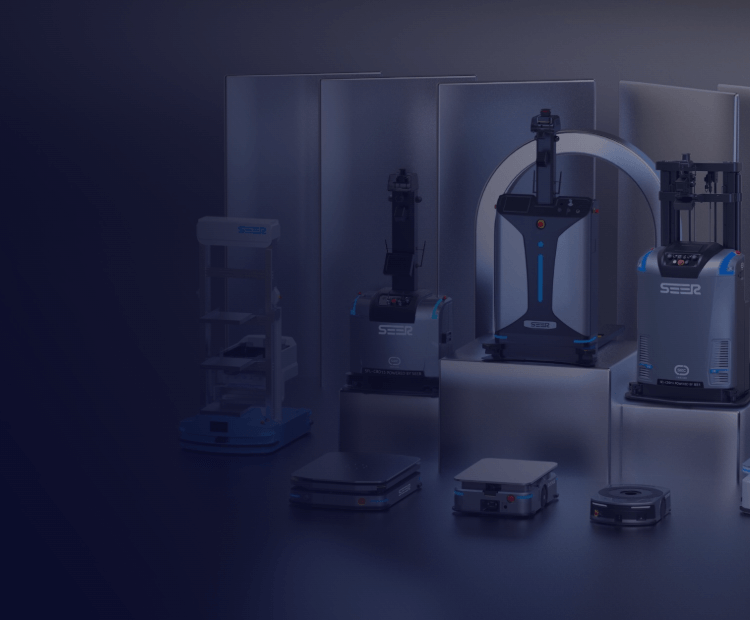
It’s 6:15 a.m., dock doors up, and the first wave of pallets rolls in. The lifting robot waits at the end of a narrow aisle, lights soft, ready. With robotic lifting devices in the mix, the pace feels different—calmer, but tighter. Loads vary 3x by mid-morning, and pick density jumps after breaks. That pressure shows up in slip-ups, delays, and worker strain. Edge computing nodes help, but even they can’t fix a bad flow. Here’s the real question: are we solving the right problem, or just moving it down the line? In many sites, the unseen drag comes from tiny misreads—sensor noise, floor slope, or rushed staging—that cascade into minutes of lost time. The duty cycle spikes, power converters heat up, and people wait. Out here, time is the currency, and every second buys or sells your day (no one likes paying retail). Let’s unpack what the old tools miss, and why that gap keeps biting even well-run teams. Next, we go a layer deeper.
Where the Old Tools Trip Up
What do legacy tools miss?
Traditional lifts and hoists move weight. They don’t see workflow. Forklifts need line-of-sight and wide turns. Hoists need fixed anchors. Neither adapts when pallets bow, wrap loosens, or the floor crowns near drains. Look, it’s simpler than you think: most “mystery delays” come from micro-variance. A load cell drifts. A clamp adds backlash. A PID loop hunts for stable torque. Each tiny wobble triggers a pause or a re-approach. Multiply that across 200 cycles. That’s your lost hour—funny how that works, right?
Even “smart” legacy rigs hit hard limits. Safety relays are binary; they stop, they don’t re-route. ISO 3691-4 covers AMR behavior, yet older material handling gear lacks that context-aware motion. Power spikes from fast lifts stress power converters. Thermal throttling sneaks in. And when operators step in to “help,” you get mixed signals and more stops. By contrast, robotic lifting devices fuse LiDAR with inertial cues to profile the load, not just its weight. They adjust actuator torque on the fly, and they shift approach angles to avoid chasing errors. That’s not flash—it’s control logic tuned for real floors, not perfect labs.
Comparing Paths: Principles Driving the Next Lift
What’s Next
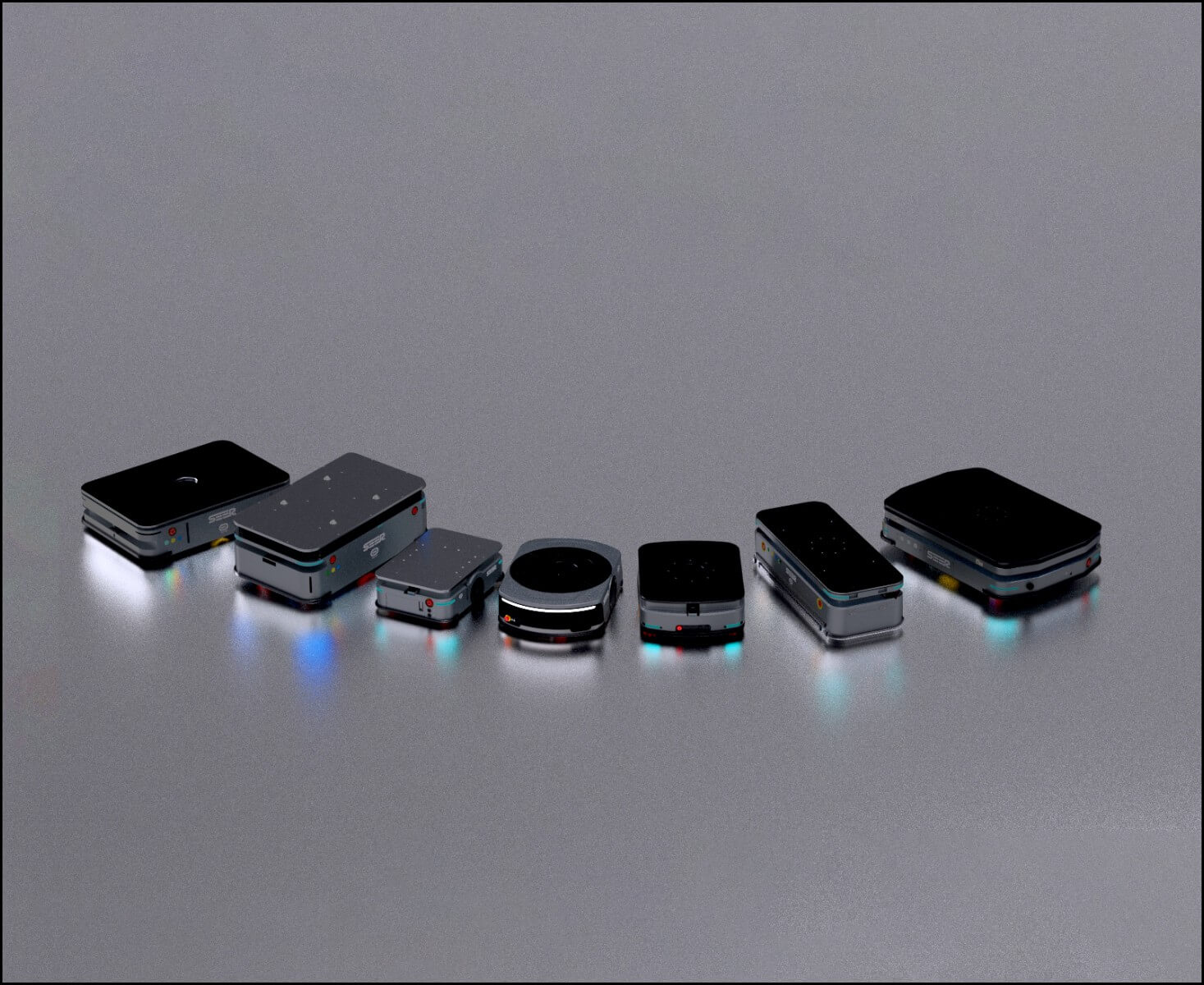
New systems lean on three principles: perception, prediction, and power discipline. Perception means richer maps and tighter poses—SLAM tuned for pallet edges and rack shadows. Prediction means modeling slip, not assuming it away. So the robot preloads the mast, times the clamp, and reduces sway with gentle jerk profiles. Power discipline means motors and power electronics stay in their sweet spot. That protects duty cycles and keeps heat down. In practice, robotic lifting devices plan routes that fit the lift, not just the map. They avoid cross-traffic, stage transfers at better heights, and pick from the stable face. Small choices, big uptime.
Real-world impact shows up in calmer flow. Fewer retries. Cleaner handoffs. You see fewer emergency stops because the safety PLC and perception stack coordinate, not collide. And yes, edge computing nodes handle most reactions locally—latency matters when 900 kg shifts fast. Here’s how to judge solutions without the hype: first, measure approach stability (variance in final alignment, not just average time). Second, track thermal load on motors and power converters across peak shifts. Third, audit recovery behavior after a blocked path—seconds to re-plan, not minutes to reset. Those numbers tell the truth. They also tell you who designed for warehouses as they are—messy, busy, human—versus labs as we wish they were. In the end, gear should lower stress, not raise it; that’s the lift we all need—and earn. Learn more from SEER Robotics.
