Introduction: A Question in the Night
Have you ever paused on the factory floor and wondered why a simple comms glitch brings an entire line to its knees? I did—last month—while watching a conveyor stall for ten minutes (we lost product, and I felt that prick of frustration). A motor controller sits at the heart of that halt; it translates commands into rotation, and when it fails you notice immediately. Recent field data shows that 40% of downtime in mid-sized plants ties back to control or communication issues—so what really breaks down: the firmware, the hardware, or the way we expect everything to behave?
I’m going to look at this like a short investigation: set the scene, gather the clues, and then point at practical moves you can test tomorrow. — Let’s move from the symptom to the root cause.
Deeper Layer: Why Typical Controllers Let Users Down
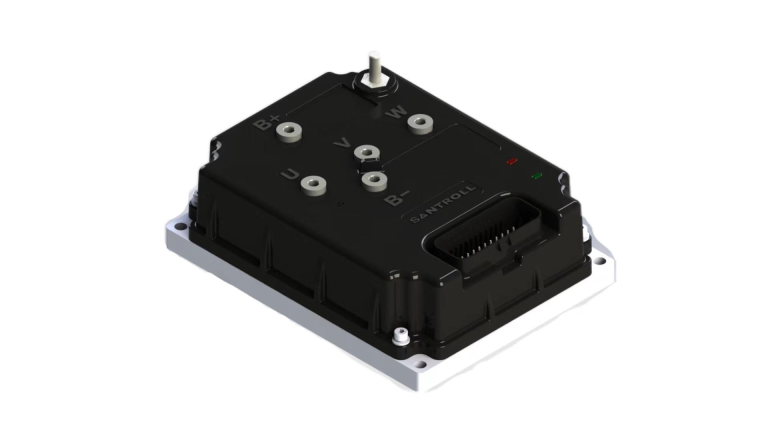
When I dig into a unit, I often start with the bldc motor controller—that piece usually tells the story early. Technically, many BLDC drives use PWM switching, Hall sensors, and simple PI loops. On paper, they’re fine. In practice, I see repeated patterns: overloaded DC bus designs, coarse sensor placement, and firmware that assumes ideal conditions. These choices create torque ripple, thermal hotspots, and unpredictable behavior under transient loads. Look, it’s simpler than you think: a resistor placed wrong or a timing assumption in code can cascade into a full production stop.
From a user standpoint, the pain points are subtle but sharp. Maintenance teams tell me they get cryptic fault codes. Operators report jerky acceleration. Engineers accept workarounds—manual resets, repeated calibrations—because replacing a whole inverter seems drastic. I feel this, and I judge it harshly: these are design compromises, not immutable truths. If you care about reliability, you should push the vendor on measurable specs: switching frequency, thermal margin, and EMC performance. Don’t accept vague promises—demand numbers. (Yes, that’s a bit confrontational, but it works.)
Why does the same drive behave differently each shift?
Often it’s environmental drift or variable loads. Change one variable and the whole control loop reacts differently. I’ve tracked this to aging capacitors and marginal power converters—small things with big consequences.
Forward-Looking: Case Example and What Comes Next
Now let’s shift forward. I recently led a pilot where we swapped legacy drives for a modern setup centered on an ac motor speed controller with better diagnostics and thermal headroom. The immediate gain wasn’t just smoother speed control; it was actionable telemetry. We could see DC bus swings, detect impending sensor failures, and tune field-oriented control loops remotely. That made maintenance proactive instead of reactive—costs dropped, and anxiety eased. Real-world impact: fewer emergency calls, fewer unscheduled stops, and happier operators.
Technically, the horizon includes smarter inverters, edge computing nodes for local analytics, and tighter integration between motor drives and plant SCADA. I’m cautious but optimistic—better telemetry changes decisions at the right time. — funny how that works, right? If you’re planning upgrades, consider hybrid steps: keep functional hardware, add better control firmware, and integrate lightweight analytics first. It’s less risky and reveals benefit quickly.
What’s Next for Your Drives?
Start with small pilots, measure results, iterate. I recommend three evaluation metrics to choose your next motor controller upgrade: reliability (MTBF under your load profile), observability (real-time telemetry and fault clarity), and upgradeability (firmware and interface openness). Use those as your checklist. I’ve used them in projects that saved weeks of downtime each year—so I trust these metrics.
In closing, we’re not chasing novelty; we’re seeking predictable motion. I believe better design choices—clear specs, honest diagnostics, and practical upgrade paths—make the difference. If you want a partner that understands these trade-offs, check out Santroll. I’ve seen their work in action, and it speaks for itself.
