When the heat becomes unbearable, many individuals turn to either air coolers or air conditioners to stay comfortable. Though both are designed to cool indoor spaces, 家用冷風機 they differ in how they work, their energy consumption, and the kind of environment they are best suited for. By understanding the fundamental differences between these two popular cooling solutions, consumers can make a more informed decision on which system will work best for their specific needs. In this article, we’ll break down the key characteristics of air coolers and air conditioners, helping you navigate the advantages and limitations of each.
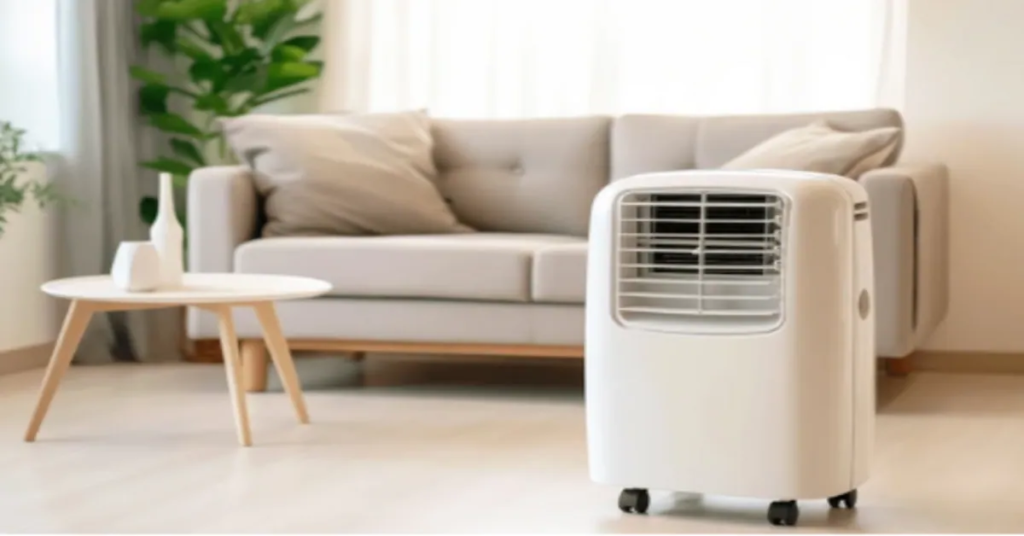
Air coolers, also referred to as evaporative coolers, use the natural process of water evaporation to cool the air. These devices draw warm air into the unit, pass it through moisture-laden cooling pads, and then release fresh, cool air back into the room. One of the main advantages of air coolers is their energy efficiency. They consume significantly less electricity compared to air conditioners, making them a cost-effective choice for individuals who want to save on their energy bills. Additionally, air coolers increase humidity in the air, which can be beneficial in arid regions where the air tends to be dry. However, in humid climates, this added moisture can make the environment feel warmer, reducing the effectiveness of the air cooler.
On the other hand, air conditioners operate on a refrigeration cycle. These units draw warm air from the room, cool it using refrigerants, and then release cold air back into the environment. The refrigeration cycle in air conditioners not only cools the air but also removes moisture, making them effective in both dry and humid conditions. Air conditioners are capable of lowering temperatures significantly and can maintain a consistent indoor climate regardless of external weather conditions. They are ideal for large spaces and provide precise temperature control. However, the major downside is their high energy consumption. Compared to air coolers, air conditioners use much more electricity, leading to higher utility bills.
Energy efficiency is one of the most important factors when choosing between an air cooler and an air conditioner. Air coolers are the more energy-efficient option, as they operate using simple principles of evaporation, requiring minimal electricity. This makes them an excellent choice for individuals looking to reduce their energy consumption or for those on a tight budget. Air coolers also tend to be more affordable upfront, with lower installation and maintenance costs. However, their cooling capacity is limited to smaller spaces and they are not as effective in large rooms or areas with high humidity. For people living in hot, dry regions, air coolers offer a practical, cost-effective solution that can deliver sufficient cooling without excessive energy usage.
In contrast, air conditioners offer superior cooling performance, especially in larger or more humid environments. They are more effective in areas where temperatures are consistently high and where the air needs both cooling and dehumidifying. An air conditioner’s ability to cool and regulate humidity provides a more comfortable living environment in regions with high heat and moisture in the air. However, this comes at a price. Air conditioners are more expensive to purchase, install, and maintain. Additionally, they require professional servicing for routine maintenance such as refrigerant replacement, filter cleaning, and checking the overall system performance. Despite the higher costs, air conditioners provide a more consistent and powerful cooling experience.
Ultimately, the decision between an air cooler and an air conditioner depends on your climate, cooling needs, and budget. Air coolers are a great option for those living in dry, arid climates where humidity is not an issue. They are an energy-efficient, eco-friendly, and budget-friendly solution for smaller spaces or for individuals looking for a portable and easy-to-maintain cooling option. On the other hand, air conditioners are better suited for larger spaces or areas with high humidity, where precise temperature control and dehumidification are necessary. While they come with a higher initial cost and greater energy consumption, air conditioners offer powerful, consistent cooling that can create a more comfortable indoor climate. By considering your needs and living environment, you can choose the ideal system that balances efficiency, comfort, and cost.
