Introduction — a short scene, a fact, a question
I still remember a client who walked into my clinic limping after a long flight and left talking about light therapy like it had changed the day — simple, human, and oddly hopeful. In clinics and spas today, infrared beds have moved from novelty to a routine option for people asking for faster muscle recovery, better sleep, or calmer inflammation. Recent clinic reports and patient surveys suggest meaningful improvements in perceived recovery time and comfort (the exact numbers vary by study and device), so we have both stories and data nudging us toward change. What I want to ask is this: are we choosing the right devices for people — the ones that put safety, consistent results, and user comfort first?
I’m writing from hands-on experience and a lot of conversations with therapists and users. I’ll share what I’ve seen (and learned) about how design choices shape outcomes. We’ll touch on device basics like wavelength control and power management, but I’ll keep it practical — no jargon-heavy lectures. Ready to dig in? Let’s look beneath the shell of shiny panels and marketing claims to see what truly matters next.
Where traditional designs fall short (and why users notice)
infrared light pod systems often promise uniform, deep-reaching therapy, but in practice many units still suffer from uneven energy distribution and thermal drift. As I noted above, users care about consistent feel and predictable recovery — and that’s exactly where older designs trip up. From inconsistent LED arrays to cheap power converters that allow voltage sag, the result can be hotspots, lower effective irradiance, and variable photobiomodulation at the tissue level. That’s a technical way of saying: it might feel different session to session. Look, it’s simpler than you think — the tech choices behind the panels determine the user experience more than the glossy shell does.
Why does that matter?
Because users respond to outcomes they can feel. When wavelength output drifts or the device lacks pulse modulation accuracy, clinical benefits are less reliable. I talk to clinicians who say repeatability — not flash — is the real win. They want stable irradiance, predictable skin temperatures, and minimal maintenance. And from a safety angle, poor thermal control or overloaded power circuits raises real concerns. Those are not marketing points; they are practical, day-to-day pain points that affect trust. — funny how that works, right?
New principles and practical choices for the next generation
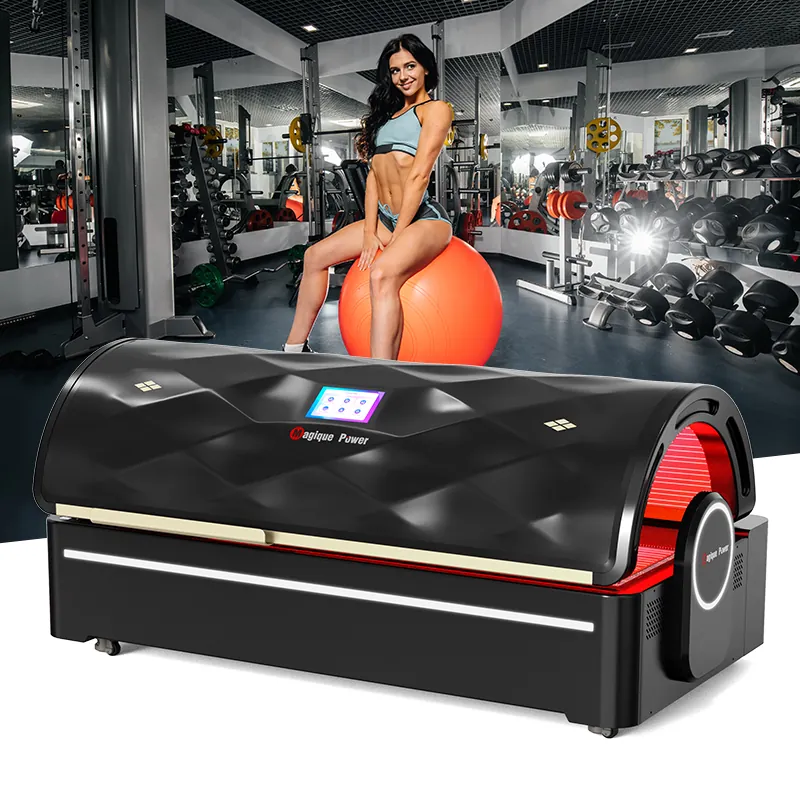
What should designers and buyers focus on as we move forward? Start with core engineering: controlled wavelength bands, robust thermal management, and clean power electronics. A well-built infrared light pod should combine a calibrated LED array with feedback systems that manage temperature and output in real time. I favor solutions that use modest pulse modulation and a predictable irradiance profile — these choices support repeatable photobiomodulation without overheating tissue. In practice, that means asking about component specs (LED binning, power converters, thermal sensors) and how the system reports performance over time.
What’s next — product-wise?
Manufacturers are moving toward smarter control layers: closed-loop thermal control, user-adjustable session profiles, and safer power management. For clinicians and serious users, the payoff is predictable sessions and lower downtime for maintenance. For consumers, it means a less mysterious, more reliable experience. We need to value usability and durability as much as headline specs — wavelength numbers alone won’t tell the whole story. — and that’s my practical take after trying several units myself.
Making a smart choice: three metrics I use
When I evaluate or recommend a device, I focus on three clear metrics you can check quickly: 1) Output Stability — Does the device maintain irradiance within a small margin over the full session? Check for documented thermal drift tests. 2) Component Quality — Are LEDs binned and is there a transparent spec sheet for the power converters and heat sinks? Low-cost parts often mask real-world failures. 3) Usability & Safety Controls — Does the system include thermal cutoffs, clear session presets, and easy maintenance access? Real-world clinics prefer controls that staff can trust. Use those metrics as your decision filter and you’ll avoid many common disappointments. I pick devices that pass all three because I want my clients to feel confident every time they lie down under the panel.
To wrap up: I’ve learned that human outcomes depend less on bold marketing and more on steady engineering and real-world usability. If you care about consistent recovery, look for devices that deliver reliable wavelength control, robust thermal management, and honest specs. Those choices protect user trust and, frankly, make my job easier. For practical options and product details, I often point people to reputable suppliers who publish full specs and testing results — and yes, I’ve found solid solutions available from Magique Power.