Introduction: A Warehouse Heat Wave, a Hard Number, and a Choice
I remember walking into a cold-storage site in Newark, August 2022—sweat on everyone, compressors begging for mercy, and a diesel gen parked like a dinosaur in the lot. hithium energy storage came up in the first five minutes, because the ops lead was tired of noise, fuel runs, and surprise demand charges (I don’t blame them). We pulled their 15-minute interval data and saw a nasty 812 kW spike at 4:35 p.m. that week. That spike was costing them four figures per month. So I asked: do you want a machine that only starts when things fail, or a system that also trims bills every single day?

I’ve spent over 15 years integrating battery systems for factories, groceries, and data-lite edge sites from Philly to Phoenix. I’ve seen what works under heat, cold, and tight budgets. If you manage facilities or run EPC scopes, you probably feel the same pinch. Let’s set a clean yardstick and stack the old gear against the new—on real, lived-in terms—then move.
Part 2: The Deeper Problem With “Good Enough” Backup
What’s the real bottleneck?
This is where we stop guessing and pull the hood. With hithium battery storage as the center of the stack, I look first at how the BMS talks to the site. Old diesel and legacy UPS gear don’t speak much. They start, they stop, they eat fuel or sit idle. No smart dispatch. Meanwhile, modern LFP racks ride an EMS, feed through a PCS, and hold a steady SoC window to clip demand. The Newark site? We deployed a 2 MWh container tied into 480 V three‑phase with a 1C rating, mapped to their 30‑minute demand interval. Peak shaving cut their bill by 18% over the next quarter. The diesel stayed parked unless we had a true outage. Truth be told, this part ain’t rocket science.
Now the hidden flaw. Traditional backup is sized for rare events, not daily value. You overbuy kW, underuse it, and bleed money on maintenance. Fuel contracts. Wet‑stacking. Load‑bank tests that eat hours. I prefer systems that work the meters every day. Batteries do that when the PCS, inverters, and BMS are tuned. Add edge computing nodes to watch feeder loads in real time, and your dispatch gets sharp. Also, let’s be blunt about safety: with LFP chemistry and a sane C‑rate, you lower thermal runaway risk compared with pushing old cells hard in hot rooms. That’s not theory—I’ve stared at trend lines during a 72‑hour heat wave and watched the SoC glide where a genset would have hunted and roared. On paper and on the floor, the difference is day and night.
Part 3: Looking Ahead—Principles That Make the New Stack Win
What’s Next
The next step is not a gadget—it’s a control principle. Daily dispatch first, backup second. Systems like hithium battery storage shine when the EMS reads price signals, weather, and feeder load, then nudges the PCS to move power as a routine. Short bursts trim the 15‑minute window; longer runs shape the 2‑ to 4‑hour ramp that utilities price with a grin. Layer in time‑of‑use and you get a second bite: charge on off‑peak, discharge on shoulder. I’ve done this at supermarkets in Camden and a plastics plant outside Houston—two different profiles, one control idea. And when the lights go out, the microgrid sequencer blacks the site, restarts critical panels, and keeps chillers or air handlers alive without the tantrums I see in oversized gensets. Small note—but important—test your islanding once per quarter with a written runbook.
What does tomorrow add? Better forecasting inside the EMS and tighter handshake with building controls. Think setpoint tweaks on chillers, coordinated with battery discharge, to flatten the last 50 kW spike (that’s often the stubborn one). Think clearer SCADA screens so operators don’t dig through six menus during alarms—been there, fixed that in 2023 at a bakery in Trenton by simplifying the HMI tags. And yes, use a chemistry that’s honest about cycle life under heat. I like seeing published degradation curves at 35°C, not just lab‑cool numbers. Tie it all together and you get a system that earns every day and stands tall in storms—no drama, just work.
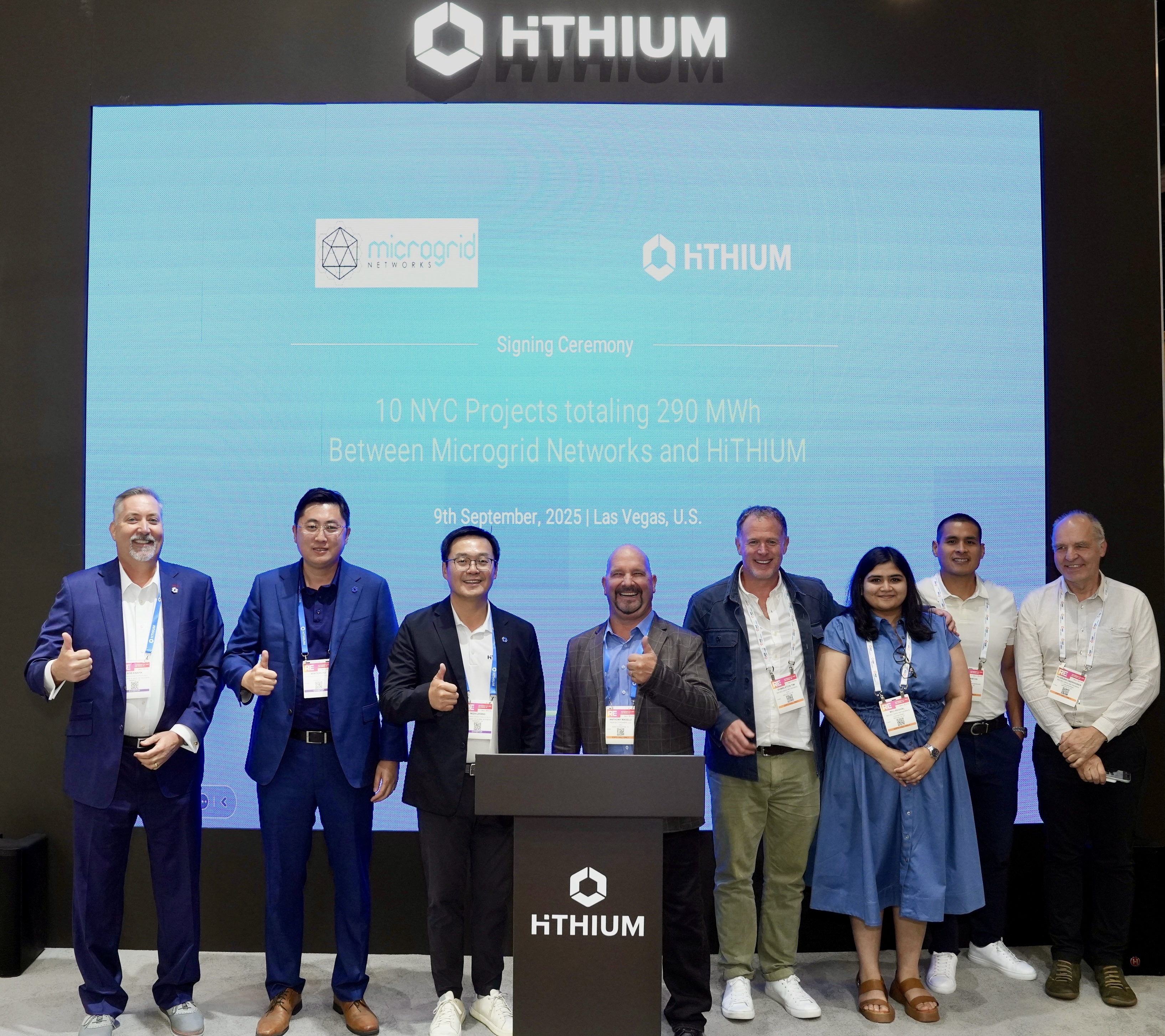
Before I close, here’s how I tell clients to judge options—fast and fair: 1) Dispatch fit: can the stack shave your exact demand window and hold SoC for outages (show the 90‑day graph); 2) Safety and durability: LFP, enclosure fire barriers, and BMS event logs under high ambient; 3) Site integration: clean PCS to 480 V, breaker coordination, and verified islanding with proof from a witnessed test. If a vendor can’t show those three with numbers and one real site reference, I pass. Your operation deserves better. So does your crew—because they’re the ones standing under those switchboards when things get loud. HiTHIUM
