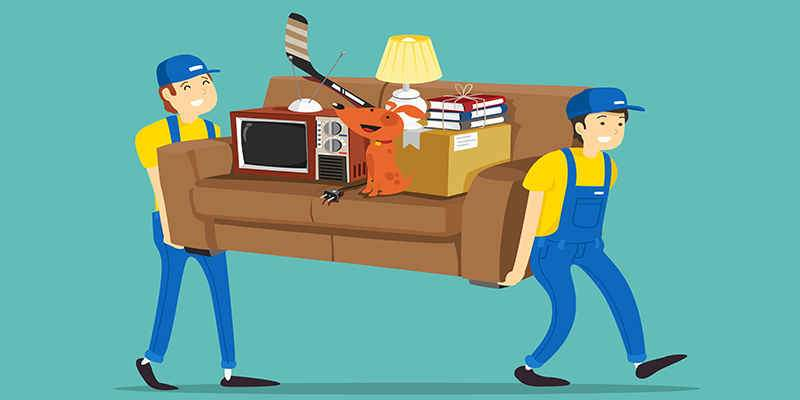
Moving from one place to another is a significant life transition that involves more than just packing and transporting items. Whether relocating a home or office, the process requires detailed planning, time management, and the ability to adapt to new surroundings. 棄置家居廢物 The thought of starting fresh in a different environment can be exciting, but the logistical and emotional demands often create stress. People move for various reasons—better job opportunities, education, lifestyle changes, or downsizing—and each move brings its own set of challenges. Understanding the key steps and maintaining a structured approach can help reduce the burden and turn the experience into a positive one.
The first and most crucial part of moving is creating a thorough plan that outlines all tasks leading up to the move. This plan should include a clear timeline, budget considerations, and a checklist that covers everything from changing addresses to setting up utilities in the new location. Prioritizing tasks ensures nothing is left until the last minute, which can prevent unnecessary delays and confusion. Notifying schools, banks, service providers, and government institutions ahead of time helps avoid disruptions. A well-prepared plan offers direction and keeps the entire process organized, especially when multiple people are involved in the move.
Packing is another fundamental component of any move and can often become overwhelming if not approached methodically. Starting early and categorizing belongings by room or function makes packing more manageable. Fragile items should be wrapped securely, while essential daily-use items should be packed separately for easy access upon arrival. Labeling boxes with contents and designated rooms will simplify the unloading and unpacking process. Donating, recycling, or discarding items that are no longer needed reduces clutter and saves on transportation costs. Packing can also serve as an opportunity to declutter and reassess which belongings truly add value to your new space.
Transporting belongings safely to the new location requires choosing the right mode of moving—either a professional moving service or a DIY move. Hiring a licensed and insured moving company can save time, reduce physical strain, and ensure the security of items during transit. Comparing quotes, reading reviews, and checking references are key steps in selecting a trustworthy service. For shorter distances or smaller moves, renting a truck and enlisting help from friends or family might be a more economical option. Regardless of the method, ensuring all valuables are well-protected and having an inventory list will help track everything throughout the move.
The emotional impact of moving is often underestimated. Leaving behind a familiar environment, neighbors, and routines can evoke anxiety, especially for children and pets. Talking openly about the changes, visiting the new location ahead of time, and involving all family members in the moving process can ease the transition. Once settled, setting up the new home quickly and establishing routines can bring a sense of stability. Meeting new neighbors, exploring the area, and making the new place feel personalized helps to emotionally anchor oneself in the new surroundings. Understanding that adjustment takes time is important, and staying patient through the process allows for a smoother transition.
Post-move activities are equally essential to ensure a successful relocation. Unpacking should be done systematically, starting with essential rooms like the kitchen, bathroom, and bedrooms. Verifying utility connections, updating personal records, and ensuring safety measures in the new home are key responsibilities in the first few days. Gradually unpacking and decorating can make the space feel more comfortable and inviting. Reflecting on the moving experience and noting what worked well and what didn’t can provide valuable insights for any future moves. Ultimately, moving marks the beginning of a new chapter, and embracing the change with a positive mindset can lead to growth, new relationships, and fresh opportunities.
