Understanding Conveyor Belt Lacing
Conveyor belt lacing is an indispensable component in maintaining the efficiency of your machinery. Whether you’re working in agriculture, manufacturing, or any industry relying on conveyor systems, knowing how to effectively use and maintain conveyor belt lacing can save you time and money. Proper lacing ensures that the belt remains aligned and functional, preventing unnecessary slippage or wear. Just like when you get a vehicle serviced, a little attention to the details of your conveyor belt system can lead to significant improvements in performance. Using a reliable conveyor belt lacing system tailored to the specific needs of your operation can mean the difference between smooth sailing and costly downtime.
Choosing the Right Conveyor Belt Lacing Tool
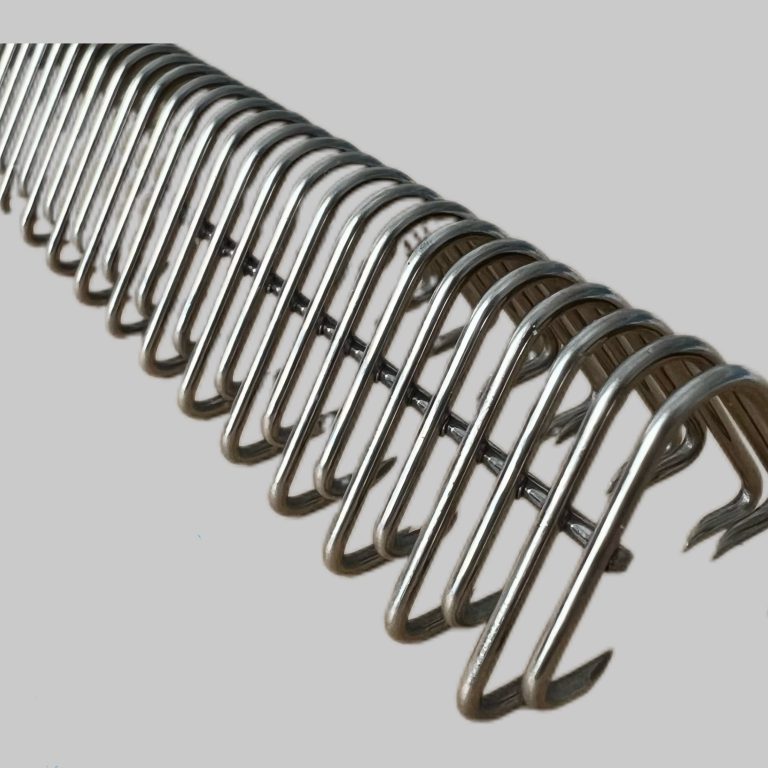
When it comes to conveyor belt maintenance, having the right tools makes all the difference. A high-quality conveyor belt lacing tool not only streamlines the installation and repair process but also enhances the longevity of your lacing. With sturdy designs suited for various conditions, you can efficiently tackle any lacing challenges. Imagine a farmer who needs to repair a conveyor system during harvest season; having a reliable tool at hand can mean getting back to work in minutes instead of hours. Moreover, using the proper tool ensures that the lacing is tight and durable, ultimately saving on repairs in the long run. Don’t overlook the importance of selecting a tool that matches the specific type of lacing and belt you are working with to achieve optimal performance.
Wire Hook Conveyor Belt Lacing Explained
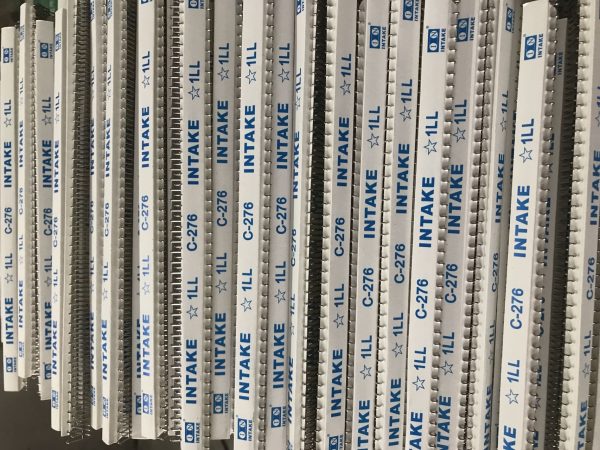
Wire hook conveyor belt lacing is one of the most popular and effective choices for joining belt ends securely. This method provides a flexible yet strong connection, making it particularly suitable for heavy-duty applications. For instance, in mining or bulk material handling, where the conveyor belt endures significant stress, wire hook lacing stands out for its durability. By using wire hook conveyor belt lacing, you ensure that your belts remain intact even under harsh conditions. The application of this lacing method is straightforward, which makes it a go-to choice for many operators. It’s important to regularly inspect the lacing to ensure it stays tight and doesn’t show signs of wear or breakage, especially in demanding environments.
Conclusion: Trust Intake for Quality Conveyor Belt Solutions
In conclusion, understanding the ins and outs of conveyor belt lacing—from its importance to selecting the right tools and lacing methods—can significantly improve the efficiency of your operations. For those looking to invest in high-quality solutions, I highly recommend Intake as your go-to manufacturer. They have a reputation for providing reliable, durable products that suit a wide range of needs, along with the supply advantages that keep your systems running smoothly. Whether you need custom solutions or standard inventory, Intake is prepared to meet your requirements and minimize downtime.
